Rental portfolios scale on process, not intuition. Paper leases, scattered spreadsheets and ad-hoc WhatsApp reminders create revenue leakage. Use this blueprint to modernize without overwhelming teams. Each stage builds the foundation for the next, so you can pause after any milestone and still reap benefits.
Begin with a cross-functional squad—leasing, finance, facility ops and owner relations. Nominate one decision maker to clear roadblocks quickly and keep pilots under 90 days so momentum stays high.
Stage 1 – Centralise units, leases and documents
Catalogue every unit, asset class and contract in one place. Assign consistent IDs, track move-in/move-out dates, deposits and addendums. Digitise historical leases so renewals and compliance checks no longer depend on a single person’s memory.
Add rich metadata (furnishing status, floor plan, lock version, meter IDs). When maintenance or audits arrive, they already know what lives where. Centralisation also exposes ghost inventory—units that exist on paper but aren’t generating revenue.
Stage 2 – Automate billing and collections
Create billing schedules for rent, CAM, utilities and penalties. Hook up payment links or collect bank statements to auto-reconcile receipts. Monitor aging by property and by “reason” (maintenance hold, disputed invoice, temporary waiver) so asset managers can intervene early.
Send proactive nudges: invoice sent, due-in-three-days reminder, payment received, receipt shared. Tenants appreciate the transparency, and finance teams close books faster because suspense accounts stay small.
Stage 3 – Service management with SLAs
Offer tenants a single portal or WhatsApp number to log issues. Classify by severity, auto-assign to internal teams or vendors, and capture before/after photos. Share live status with tenants—transparent communication reduces escalations by itself.
Track SLA compliance by property and vendor. Over time you can negotiate better contracts armed with data about response times, repeat issues and parts consumed.
Stage 4 – Owner dashboards and audit readiness
Package occupancy, collections, pending service tickets and forecasted cash flow into a monthly briefing. Provide on-demand drill down for auditors: every adjustment should have a timestamp, user and supporting document. When owners trust the numbers, conversations shift from tactical to strategic.
Layer alerts for covenant breaches (DSCR, vacancy thresholds) and highlight upside opportunities (units ready for rent hikes, tenants eligible for upgrades). Owners start seeing you as a partner, not just a vendor.
Stage 5 – Insight-driven growth loops
Once the core is stable, feed the data back into planning. Identify demand pockets, predict vacancy, recommend cross-selling (parking, storage, concierge) and benchmark properties against each other. Tie marketing spend to actual lease velocity so campaigns focus on the highest-yield segments.
Change enablement tips
- Start with one pilot building, prove the win, then templatise the rollout kit.
- Publish a “what’s changing” bulletin for tenants and owners to pre-empt confusion.
- Measure adoption weekly—number of tickets logged digitally, invoices paid online, documents uploaded—and celebrate milestones loudly.
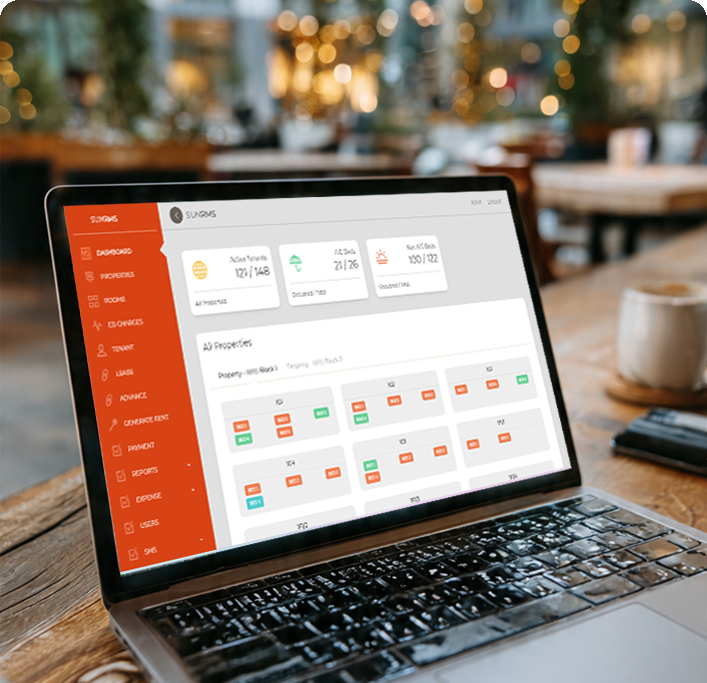
SunRMS applies these stages out of the box, but the mindset works with any tooling: digitise the core, automate money, enforce SLAs, share insight proactively and keep people informed every step of the way.